If the HVAC system is the lungs of your building, the ductwork is the airway that rarely gets a checkup until someone starts coughing. I have watched maintenance teams chase thermostat setpoints, argue about filters, and still wonder why certain zones feel stuffy by noon. Often, the quiet culprit is a film of dust on the inside of supply trunks, a mat of lint sitting just downstream of a coil, or a wad of construction debris that rode the airstream like a hitchhiker and never left. Commercial duct cleaning is not glamorous work, but when it is scoped and executed properly, the payoff shows up in particle counts, odor complaints, energy bills, and a general drop in the building grumbles you hear at the front desk.
What actually lives inside commercial ducts
Any supply or return path that moves air will eventually accumulate what that air carries. Think lint, settled dust, pollen, skin flakes, copier toner, and, in a surprising number of office towers, coffee stirrers, soda can tabs, and a lost ID badge or two. Add moisture from humid outside air or condensation near poorly insulated sections, and you have a recipe for microbial growth on porous surfaces. In older buildings, sections of internally lined duct can shed fibers when the liner dries out and starts to fray. I have sliced open duct where the upstream filter rack had a gap the size of a wristwatch, then watched the downstream side act as an expensive dust collection system for years.
Without getting dramatic, the consequences are practical. Those particles do not just sit politely. They change how air flows, how coils exchange heat, and how your occupants feel about the room they are in. A thin coating on a cooling coil can bump pressure drop and rob heat transfer, which forces the fan and compressor to work harder. A return plenum sprinkling out old carpet dust every time the VAV box opens does not help anyone with allergies. And yes, a damp patch can host mold, which will send your risk manager into a tailspin if it ever turns into a reported incident.
Why indoor air quality is not a soft metric
Indoor air quality sounds like a wellness perk until you get hit with a cluster of complaints, higher absenteeism in one department, or a pressure alarm that keeps tripping during peak season. Clean air makes a tangible difference on the maintenance ledger and the productivity sheet. Studies vary by building type and climate, but a reasonable takeaway is that cleaner coils and ducts can trim fan and cooling energy, sometimes by single to low double digits, depending on starting conditions. I have seen retrofit projects where cleaning coupled with sealing raised delivered airflow to target levels without upsizing equipment. If a system was underdelivering by 10 to 20 percent because of fouled components, cleaning can often claw back a meaningful portion of that.
From a health standpoint, you do not need to promise miracles to justify commercial duct cleaning. You only need to pay attention to what changes when dust loads drop. Fewer musty odors when the air handler kicks on, less visible dust streaking around supply grilles, a decline in work order requests about drafty or stale zones. These are leading indicators that total particle levels in occupied spaces have settled into a healthier range.
How ducts get dirty in the first place
Filters do a lot of heavy lifting, but they are not force fields. They are only as effective as their rating, fit, and maintenance. The common pathways for duct contamination are boring and fixable:
- Construction or renovation without proper isolation and post work cleanup. Even with plastic sheeting and negative air machines, dust is a master escape artist. Filter bypass. A warped frame, missing fasteners, or an ill fitting filter pack lets unfiltered air take the path of least resistance. Negative building pressure drawing in unfiltered outdoor air through doors, shafts, or cracks and whisking it through returns. Poorly insulated ducts in humid areas, which cool their skin and attract condensation that later grabs dust like flypaper. Occupant behavior. Fragrance diffusers, crafts that shed glitter, or a manager who insists on storing boxes in a return plenum because it is “unused space.”
The lesson is not to shame the ducts, but to accept that even in well run facilities, accumulation happens. Commercial duct cleaning is the reset button, not the sole strategy.
Clear signs your facility will benefit
- Persistent dust streaks or “ghosting” around supply registers, especially after recent filter changes Musty or dirty sock odors on startup that fade after a minute, then return the next day Rooms that never quite meet airflow setpoints even with dampers wide open Visible debris in returns or inside access panels, including drywall dust or rust flakes Occupant complaints synchronized to HVAC cycles, not to outdoor conditions
What proper commercial duct cleaning actually includes
There are two kinds of “cleaning.” The first is a quick vacuum at grilles to make the last 10 inches sparkle. The second is what you hire when you want results. Look for a firm that follows recognized guidance such as the NADCA ACR Standard and can produce documentation, not just a glossy brochure.
Here is the short version of a process that works and that you can hold a vendor to:
- Assessment and scope. Camera inspections of representative branches and trunks, pressure readings, coil and drain evaluations, plus a plan for access points, containment, and work hours. Establish negative pressure. Hook high capacity vacuums to the duct to pull debris toward a safe collection point. This is the backbone of dust control during agitation. Mechanical agitation. Use whips, brushes, or air lances to dislodge buildup inside trunks and laterals so the negative pressure sweeps it away. Hand cleaning for delicate or lined sections. Coil and component cleaning. Address evaporator and condenser coils, drain pans, and fan housings. Coil cleaning often delivers as much or more benefit than duct brushing alone. Verification. Before and after photos at the same locations, manometer or anemometer readings where applicable, documentation of chemicals used if any, and a punch list of repairs discovered.
If a proposal cannot explain how they will access hidden branches, manage dust migration, and verify work, you will likely pay for a shine around the edges.
A quick word on disinfectants and fragrances
I have walked into buildings that smelled like a citrus grove after “sanitization,” then watched the complaints tick up within hours. Fragrances are not cleanliness. They are volatility with marketing. Biocides have a place, but it is a narrow one. The EPA registers certain products for HVAC use on non porous surfaces, but that does not give blanket permission to fog an entire system. Spraying antimicrobial agents into lined or fibrous duct can trap chemicals in the material and create a long term odor problem as they off gas.
When is disinfection appropriate? Limited mold growth on non porous surfaces after a moisture event, with source moisture eliminated and proper containment in place, is a valid scenario. When in doubt, fix water problems first. Dry the area. Remove and replace any damaged porous materials like wet duct liner, not just spray and pray. You want source removal, not a cover up.
Filters, pressure, and the MERV decision
A facility with a MERV 8 filter that fits well and gets changed on schedule may outperform a MERV 13 filter that leaks at the edges. Fit is king. That said, many commercial buildings moved to higher MERV ratings to increase capture of fine particles. Higher MERV ratings often mean higher initial resistance, typically an added 0.05 to 0.20 inches of water gauge across the bank compared to lower MERV at the same face velocity, though products vary. On a system with limited fan static pressure capacity, that extra resistance will cut airflow unless fan speed is adjusted. Variable frequency drives make this adjustment easier, but they are not a magic wand. More speed means more energy. You can win on cleanliness and lose on consumption if you do not balance the settings.
Pair filter upgrades with a look at coil cleanliness and duct sealing. You may be able to raise MERV one notch while keeping total static about the same if a cleaned coil sheds 0.05 to 0.15 inches of pressure drop and sealed ducts lose less air to leaks. That is not a guarantee, but it is a common pattern in the field.
Frequency and scheduling that make sense
How often should you clean ducts? There is no one interval that fits every building. Use risk, use, and history to set the cadence. Healthcare facilities often inspect annually and clean as needed where sensitive areas demand it. Office buildings with good filtration and steady occupancy might go three to five years between major cleanings, with coil cleaning and filter maintenance on tighter cycles. Restaurants, commercial kitchens, and manufacturing with process dusts see faster accumulation and usually benefit from more frequent work. After construction or a tenant improvement, plan a targeted cleaning in the affected zones rather than assume filters caught it all.
Think of it like a dentist visit for your building. The goal is not to grind enamel every six months. The goal is to check, clean where needed, and keep the habits that make the next visit routine rather than a root canal.
What it tends to cost and why the range is wide
Pricing makes people cagey because it varies by region, access, duct complexity, and how much non duct work is involved. Still, you deserve ballpark numbers to plan. In many markets, comprehensive commercial duct cleaning falls somewhere in the range of a few tenths of a dollar per square foot served, often 0.20 to 0.60, when spread across a whole facility with decent access. Smaller jobs with lots of mobilization, night work, or heavy contamination push higher. Some contractors price by system components, such as per air handling unit plus each main trunk, or per hour with a not to exceed number. Coil cleaning as a standalone item can run a few hundred to a couple thousand dollars per coil depending on size and condition. If a quote is strikingly cheap, the scope is probably thin.
The smartest way to buy is to get two or three detailed proposals with the same deliverables. Ask for sample photos from similar jobs, the names of the crew certifications, and the insurance certificate. Then compare the assumptions, not just the bottom line.
Choosing a vendor without getting burned
Not every firm with a vacuum truck does careful work. Certification from organizations such as NADCA, especially ASCS for supervisors and CVI for inspection pros, signals training and a standard of care. Insurance is non negotiable. So is a safety plan that fits your facility, including lockout tagout if they will be near moving parts. Strong vendors provide a scope map that shows access points, a plan for after hours or weekend work, and a method for preventing cross contamination, such as using temporary filtration on returns in occupied zones adjacent to the work.
Ask for references from clients with similar buildings. A medical office complex is not the same as a logistics warehouse. And be clear about sensitive areas, from server rooms to labs to executive suites that do not tolerate dust, noise, or surprises.
How to prepare your building for cleaning day
Communication makes or breaks a smooth cleaning. Let occupants Advanced Environmental Service know when and why the work will happen, what they might hear, and what is off limits. Clear mechanical rooms and access hatches of storage. If your returns are in ceiling plenums above desks, coordinate furniture moves so the crew is not straddling a ficus and a finance director. Put a responsible building rep on site who can authorize minor access changes without a flurry of emails. It saves hours.
Lock up chemicals and cover delicate equipment. Tape down protective floor runners along main travel paths. If you have a security system that treats ceiling tile movement like a break in, tell your monitoring vendor before the crew sets foot on a ladder.
Aftercare and verification that go beyond a pretty photo
Before and after photos are a start, not proof. I like to use simple, repeatable measurements. If you have a handheld particle counter, take readings at a few consistent points before cleaning, then again a week after when the system has run through a few cycles. Track static pressure across filters and coils before and after. Look for supply air temperature differentials that align with improved coil heat transfer. If you log work orders, watch the trend of HVAC related complaints in the month following the work. It is not a double blind trial, but it is better than guessing.
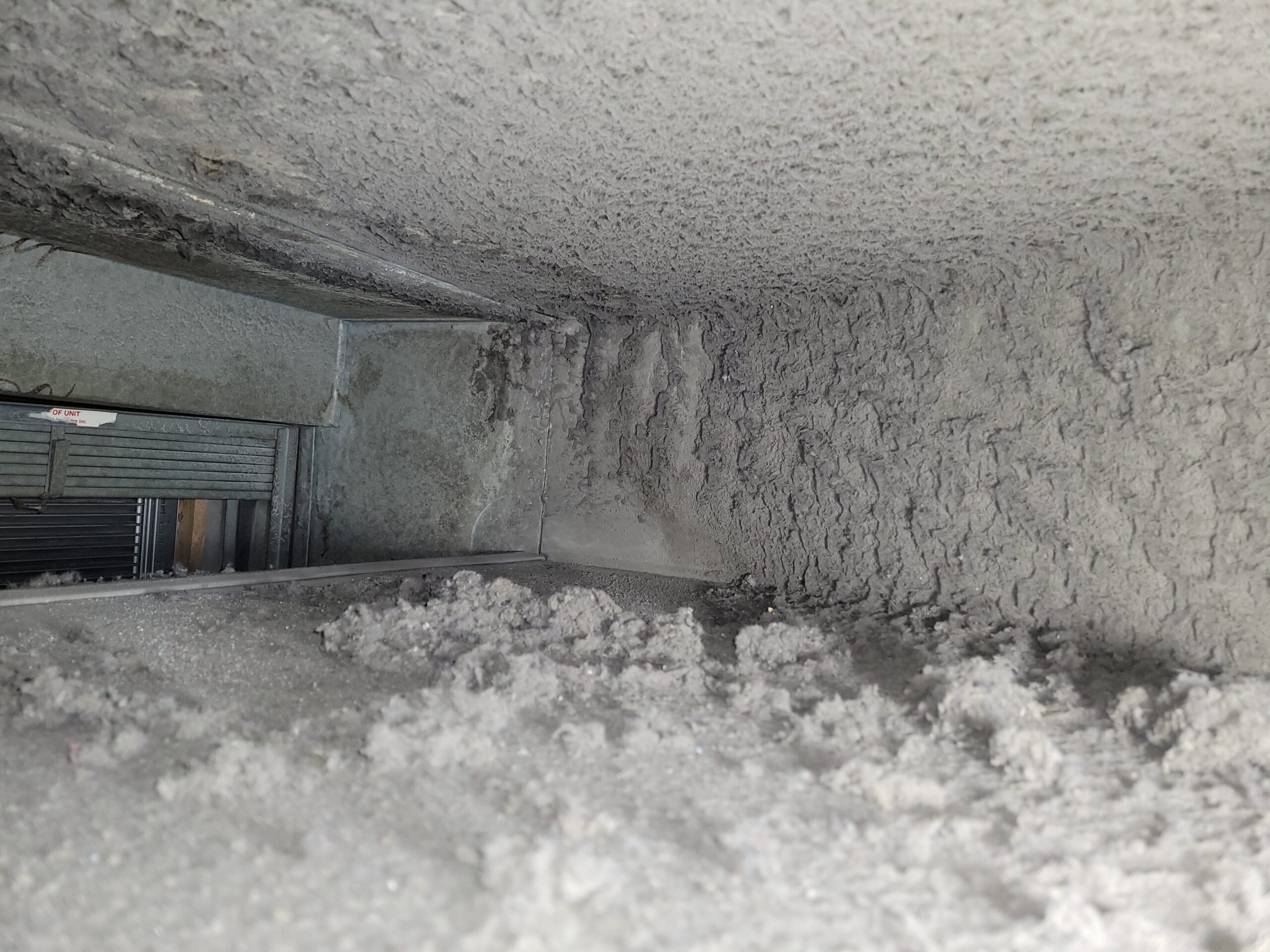
Build a maintenance log that ties filter changes, coil cleaning, and duct cleaning to measurable outcomes. The next time someone challenges the budget, you can point to a trail of numbers, not just a gut feeling.
Edge cases that change the playbook
Not every duct is a good candidate for aggressive brushing. Internally lined duct with failing fiberglass needs a gentler approach or replacement. Cleaning loose liner can make shedding worse. Very old systems can hide asbestos containing materials in mastic or tape. If there is any doubt, pause and test before you disturb it. Fire and smoke dampers tucked in shafts may be out of code or stuck. A good cleaning crew may find them. Plan for repairs in tandem with cleaning rather than discovering them on a Friday night with air off on multiple floors.
If your building runs 24 by 7, schedule in phases and create temporary filtration at zone boundaries. For data centers or labs with strict environmental controls, you might clean the air handler and coils first, then evaluate whether the downstream ducts need service or if filter upgrades accomplish the goal with less risk.
The energy math, stated plainly
Dirty coils and ducts choke airflow and make equipment work harder. Cleaning that restores a fouled coil can drop coil pressure by a tenth or two of an inch of water gauge and improve heat exchange. On systems with fixed speed fans, restored airflow often brings zones back to setpoint without overtime on the compressor. On systems with VFDs, you may be able to dial back fan speed slightly for the same delivered air, trimming fan energy. The exact savings depend on your baseline mess and your climate. In hot and humid regions where cooling runs long hours, the gains can be meaningful. In milder climates, the comfort improvement might be the bigger prize.
One client, a mid rise office, saw a marked reduction in complaints and a small but measurable drop in kWh after a combined coil and duct cleaning paired with sealing obvious leaks. They did not retire early on the savings, but they did stop running space heaters in July to counter cold spots created by misbalanced, underdelivering branches. That is a win.
Myths that refuse to retire
A few notions keep resurfacing around commercial duct cleaning.
One, that cleaning is a mistake because it stirs up dust. Bad cleaning does. Proper cleaning uses negative pressure, targeted agitation, and containment so the dust moves into a collector, not into offices. Two, that cleaning once means you are set for a decade. Your building keeps breathing. Accumulation returns, especially if filters are neglected or projects kick up dust. Three, that fogging a sweet smelling product is the same as cleaning. It is theater, and sometimes harmful theater. Source removal beats perfume every time.
Doing more with source control
Even the best duct cleaning cannot outwork a building that drags in dirt at every turn. Walk the envelope with a critical eye. Propped open loading dock doors create a highway for unfiltered air. Lobby revolving doors save energy and keep gusts from blasting particulates indoors. Entrances with long walk off mats cut tracked grit, which later becomes airborne. Seal obvious duct leaks so return air comes from where you expect, not from ceiling voids full of decades of dust.
Pay attention to janitorial schedules. Vacuuming with a high efficiency machine after hours lets particles settle before the morning rush. If cleaners kick up a storm right before occupants arrive, your morning air will taste like carpet.
Where commercial duct cleaning fits in a broader strategy
Think of commercial duct cleaning as a maintenance tool that supports an IAQ plan, not the plan itself. Filters that fit and get changed on time, pressure relationships that favor clean intake over dirty infiltration, coils that drain and stay dry, and a culture that treats returns as airways, not storage space, do the daily work. Cleaning is the recalibration when reality inevitably strays.
When you combine smart filtration with periodic, well executed commercial duct cleaning and real verification, you get a building that breathes easier. Fewer mysterious smells. Fewer hot and cold wars. Fewer afternoons spent explaining to a tenant why their conference room feels like a basement. You do not need a shrine to indoor air quality to get there. You need a practical plan, a vendor who does not cut corners, and the discipline to measure what matters.
A practical path you can start this quarter
Pick one representative air handling system and give it the full treatment. Inspect with a camera, clean the coil, fix filter fit, seal the obvious leaks, and clean the ducts feeding the worst performing zone. Document everything. Then watch how that zone behaves over the next month. If the needle moves, scale the approach, adjust the sequence, and keep your eyes on the metrics that matter to your stakeholders, from energy to complaints.
Commercial duct cleaning earns its keep when it is done for the right reasons, in the right places, and verified with something more convincing than a lemony scent drifting from the lobby. Do that, and your facility will breathe like it means it.